
Why “Take a Break” Spaces Matter for Kids
We all need a break sometimes. As adults, we can typically recognize when we feel overwhelmed and step away — whether that’s taking a walk, breathing deeply, or listening to music.
For many children — especially those with sensory processing challenges — taking a break isn’t that simple.
Some children:
-
Don’t recognize when their body is becoming overwhelmed
-
Struggle to identify shifting emotions or arousal levels
-
Don’t know what to do once dysregulation begins
This is where a thoughtfully designed “take a break” spot can make a meaningful difference.
What Is a Take a Break Spot?
A take a break spot is a safe, supportive space designed to help a child regain regulation so they can return to play, learning, and social participation.
It is not:
-
A time-out
-
A punishment
-
A place associated with negative consequences
Instead, it should feel like a calm haven — a place to pause, reset, and feel supported.
Pediatric Occupational Therapy in Sioux Falls often helps families create these spaces at home in ways that match their child’s unique sensory needs.
How to Build an Effective, Sensory-Informed Take a Break Spot
1. Choose a Smaller, Defined Space
Children whose nervous systems feel overwhelmed often benefit from a space that feels contained and predictable.
Consider:
-
A small tent
-
A cozy corner
-
Cushion builds (like a Nugget couch)
-
Blanket forts
-
Partially enclosed areas
A smaller environment reduces visual and spatial demands, helping the child focus on calming rather than scanning the room.
2. Offer Cozy Seating Options
Different bodies need different types of input to regulate.
Helpful options include:
-
Bean bags
-
Floor cushions
-
Small rocking chairs
-
Soft mats
-
Weighted blankets or weighted stuffed animals
Weighted supports provide calming proprioceptive input, which can help settle the nervous system.
Offering choices supports autonomy and helps children begin to understand what their body needs during stressful moments.
3. Reduce Sensory Stimuli
When children are overwhelmed, lowering sensory input helps their nervous system downregulate.
You can:
-
Dim overhead lighting
-
Use soft lamps, globe lights, or lava lamps
-
Reduce background noise
-
Add noise-reducing headphones if helpful
The goal is to create a space that feels calm, predictable, and safe.
4. Make the Purpose Clear and Positive
Children benefit from understanding why the space exists.
Use supportive language such as:
-
“This is a place to help your body feel calm.”
-
“This is where you can take care of your body.”
This reduces shame and resistance while reinforcing that breaks are healthy and supportive.
The space should also be easily accessible. Consistent availability helps children learn to recognize their own cues and advocate for breaks before emotions escalate.
5. Your Presence Matters
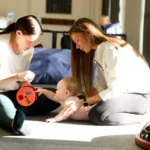
When possible, a trusted caregiver joining the child can be incredibly regulating.
Children co-regulate through connection. In close proximity, they often unconsciously match your slower breathing and calm energy.
According to Dr. Stephen Porges’s Polyvagal Theory, positive social cues — eye contact, warm facial expressions, and a soothing voice — activate the social engagement system and send cues of safety to the nervous system.
Your calm presence may be the most powerful sensory tool available.
How Pediatric Occupational Therapy Can Help
If your child struggles with big emotions, sensory sensitivities, or difficulty transitioning between activities, Pediatric Occupational Therapy can help identify the underlying sensory and regulation patterns contributing to these challenges.
At Move U Pediatric Therapy in Sioux Falls, our occupational therapists:
-
Assess sensory processing patterns
-
Teach children body awareness and emotional recognition skills
-
Provide individualized regulation strategies
-
Help families design effective take a break spots at home
-
Support participation in school, play, and social settings
Over time, children build the internal skills needed to recognize when their body needs a pause — and trust that support is available when it does.
Supporting Families in Sioux Falls, SD
Creating a take a break spot is one powerful step toward supporting your child’s emotional regulation. When paired with professional guidance from Pediatric Occupational Therapy, children gain tools that support confidence, resilience, and participation in daily life.
If you have concerns about your child’s sensory processing or regulation skills, our team at Move U Pediatric Therapy in Sioux Falls is here to help.
📞 Call (605) 409-9533
Reference
Integrated Listening Systems. Dr. Stephen Porges’ Polyvagal Theory. Integrated Listening Systems website. https://integratedlistening.com/polyvagal-theory/