Understanding Constipation in Children
Constipation is one of the most common concerns parents discuss with their child’s healthcare providers. While diet and hydration are often the first areas families consider, many parents are surprised to learn that movement, posture, muscle coordination, and nervous system regulation also play an important role in healthy bowel movements.
For children, having a bowel movement is actually a complex process that requires multiple systems in the body to work together.
Signs Your Child May Be Experiencing Constipation
Constipation can show up in several ways. Parents may notice:
-
Infrequent bowel movements
-
Hard or painful stools
-
Straining when passing stool
-
Stool leakage or accidents
-
Belly pain or bloating
-
Withholding behaviors such as hiding, crossing legs, or avoiding the toilet
When constipation continues over time, children may begin to feel anxious or uncomfortable about using the bathroom, which can create a cycle of withholding and worsening constipation.
The Role of the Body in Healthy Bowel Movements
For a child to have a comfortable bowel movement, their body must coordinate several important actions, including:
-
Relaxing the pelvic floor muscles
-
Using abdominal muscles to create gentle pressure
-
Coordinating breathing with pushing
-
Maintaining a supportive position on the toilet
-
Having a regulated nervous system state
If a child struggles with any of these components, they may experience increased straining, discomfort, stool hardening, or difficulty passing stool.
This is where pediatric physical therapy can play an important role.
How Pediatric Physical Therapy Helps with Constipation
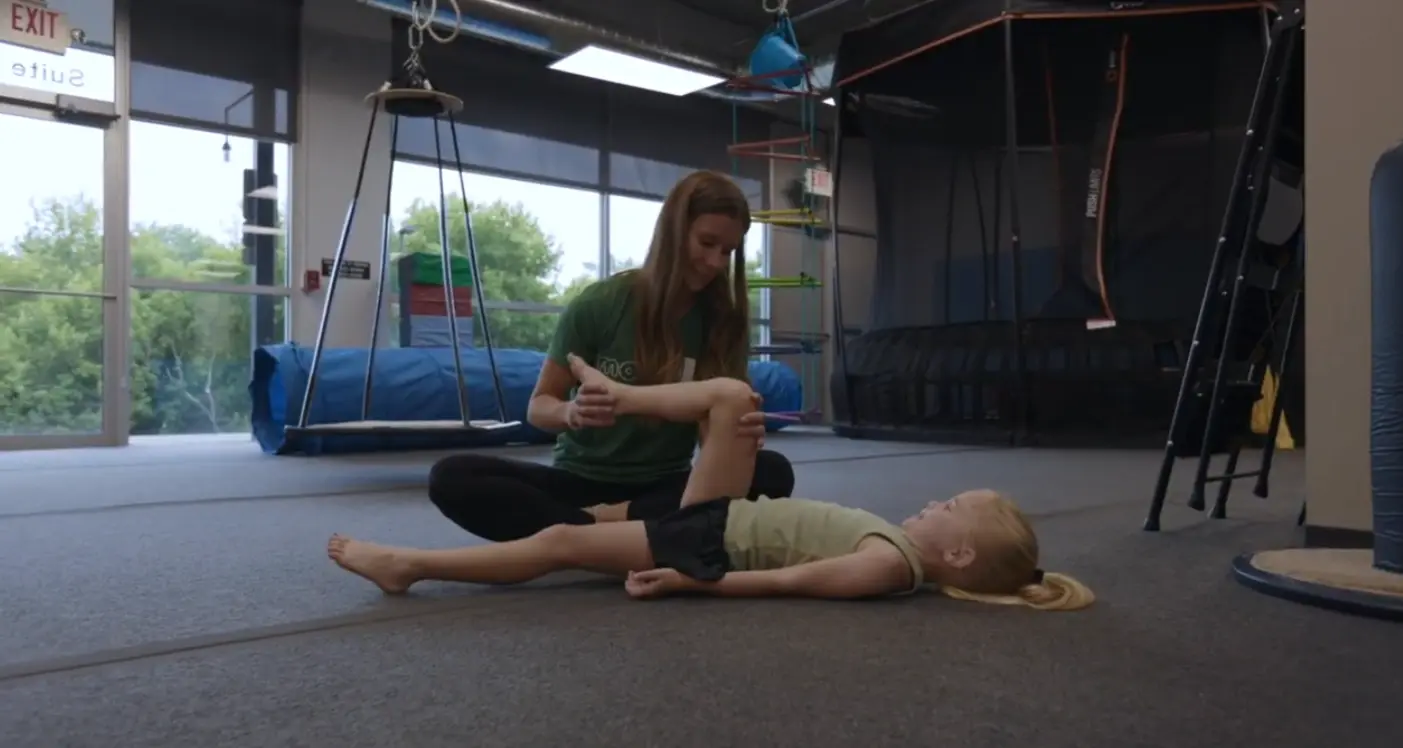
At Move U Pediatric Therapy in Sioux Falls, our physical therapists trained in pediatric bowel and bladder dysfunction look at the whole body to determine the best plan of care for each child.
Through play-based therapy and age-appropriate education, pediatric physical therapy can help children improve the physical and coordination skills needed for healthy bowel function.
Treatment may include support for:
Core Strength and Postural Control
Strong core muscles help children generate the gentle pressure needed for effective bowel movements.
Breathing Coordination
Learning how to coordinate breathing with pushing helps children avoid straining.
Pelvic Floor Relaxation
Some children unintentionally tighten their pelvic floor muscles, making bowel movements difficult. Therapy helps children learn how to relax these muscles.
Healthy Toilet Positioning
Simple strategies—like placing a small stool under the feet—can improve body positioning and make it easier to pass stool comfortably.
Movement that Supports Digestion
Regular movement and physical activity can help stimulate digestion and promote more regular bowel habits.
Building Confidence and Comfort with the Bathroom
When constipation becomes ongoing or stressful, addressing the movement and muscle coordination aspects of bowel function can make a meaningful difference.
Pediatric physical therapy helps children:
-
Learn how to push effectively without straining
-
Develop better body awareness
-
Feel more comfortable using the toilet
-
Establish healthier bowel habits
Most importantly, therapy helps children build confidence in their bodies while giving parents practical tools to support their child at home.
Pediatric Therapy Support in Sioux Falls, SD
At Move U Pediatric Therapy, we provide compassionate, individualized care to help children overcome challenges related to movement, coordination, and bodily regulation.
If your child is struggling with constipation or bowel habits, our team can help identify underlying movement and coordination factors and develop a plan that supports healthy function.
Our therapy sessions are play-based, child-led, and highly skilled, helping children feel comfortable while learning important skills for everyday life.
📍 Move U Pediatric Therapy – Sioux Falls, SD
📞 (605) 409-9533
Reference
Herman & Wallace Pelvic Rehabilitation Institute. (n.d.). Pediatrics Level 1: Treatment of bowel and bladder disorders. Herman & Wallace Pelvic Rehabilitation Institute. https://hermanwallace.com/continuing-education-courses/pediatrics-level-1-treatment-of-bowel-and-bladder-disorders