Walking. It feels like such a big milestone — and it is. It’s also one of the most searched phrases by parents of babies and toddlers: “My child isn’t walking yet. Is that normal?”
The short answer: it depends. The longer answer is what we’re here for.
When Do Most Children Start Walking?
Most children take their first independent steps somewhere between 9 and 15 months, with 12 months being the well-known marker most parents have in their heads. But walking by 18 months is still within the range of typical development.
What matters isn’t just the age — it’s the whole picture. Is your child building toward walking? Are they pulling to stand, cruising along furniture, and showing interest in being upright? Or does movement feel effortful, limited, or something they’re avoiding altogether?
What Can Delay Walking?
There’s a wide range of reasons a child might be slower to walk, and most of them are very addressable with the right support:
- Low muscle tone (hypotonia) — muscles that fatigue more easily or feel looser than typical
- Limited tummy time in infancy — which builds the core and upper body strength needed for later movement
- Torticollis or positional preferences — neck tightness that affects balance and development
- Sensory sensitivities — some children are cautious about surfaces or movement because of how it feels
- Prematurity or birth-related factors
- Developmental conditions that affect muscle coordination or tone
A pediatric physical therapist can help identify what’s contributing to the delay — and more importantly, what to do about it.
Signs It’s Time to Reach Out
You don’t have to wait until your child is 18 months to get a PT evaluation. Consider connecting with us if your child:
- Isn’t pulling to stand by 12 months
- Isn’t walking with support by 14 months
- Has been walking for a while but falls constantly or seems very unsteady
- Consistently walks on their toes
- Strongly favors one side of their body
- Seems to be losing skills they previously had
Trust your gut here. If something feels off, it’s worth getting eyes on it sooner rather than later.
How Pediatric PT Helps With Walking Delays
At Move U, we look at the full picture of how your child moves — not just the milestone they haven’t hit yet.
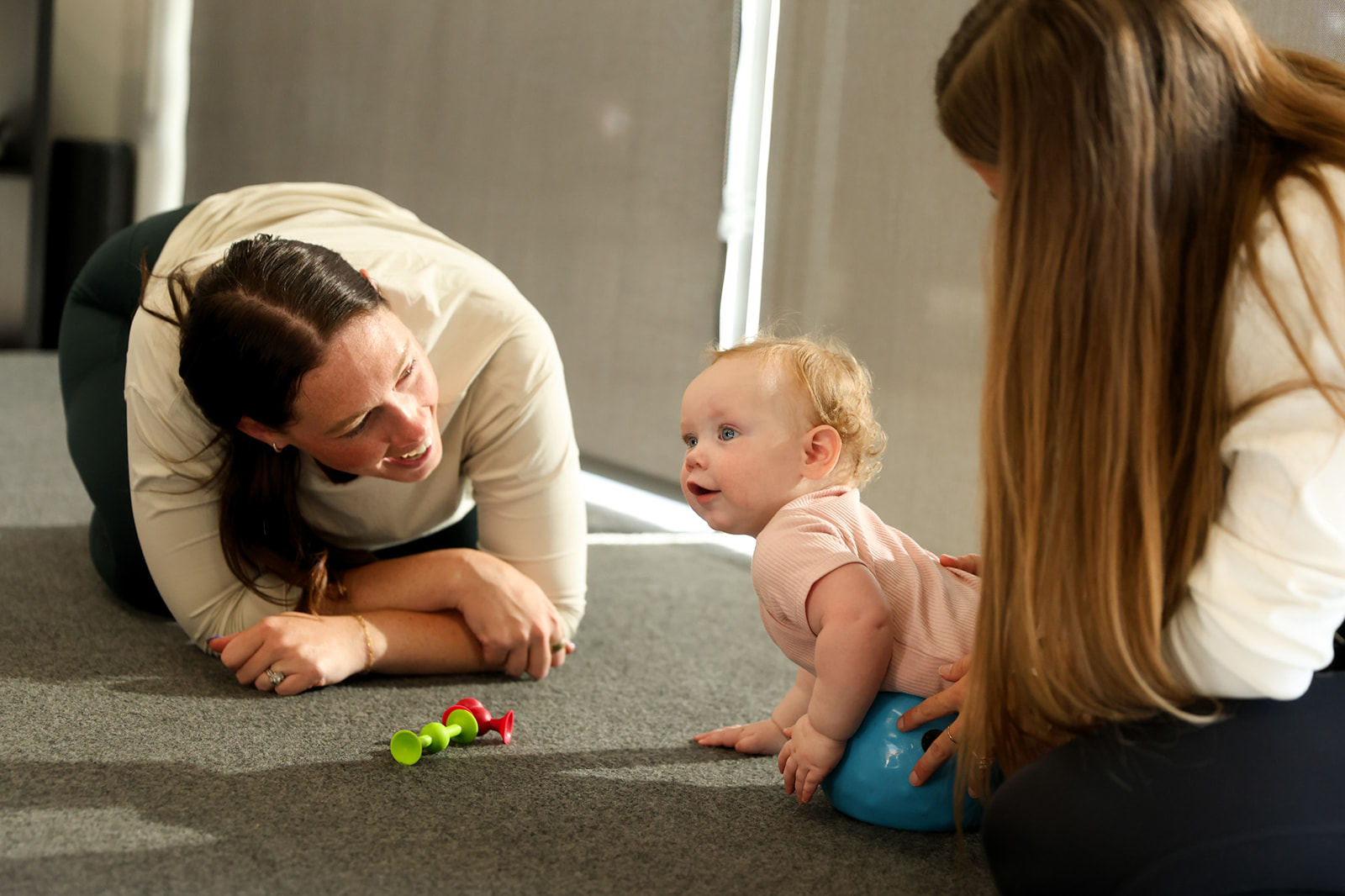
Through play-based therapy, we help children build the foundational strength, balance, and coordination their body needs to walk with confidence. That might look like:
- Strengthening core and leg muscles through active play
- Working on balance and weight shifting
- Building comfort and confidence with standing and movement
- Addressing any contributing factors like tightness or sensory sensitivities
We also send you home with simple strategies so that every day becomes an opportunity to practice — not just therapy days.
You Don’t Have to Figure This Out Alone
Walking delays can bring up a lot of worry and “what ifs” for parents. We see it all the time. Our job isn’t just to help your child — it’s to help you feel informed, supported, and hopeful about the road ahead.
Start with a free 20-minute parent consultation. We’ll answer your questions, talk through what you’re seeing, and let you know if an evaluation makes sense.